
Japanese food culture guide
7 Ways to Experience Japanese Food Culture in Tokyo
Washoku, the traditional food culture of Japan, was added to the UNESCO Intangible Cultural Heritage list in 2013. In Tokyo you can experience it through sushi making, tea ceremony and wagashi, markets, kaiseki and regional dishes.
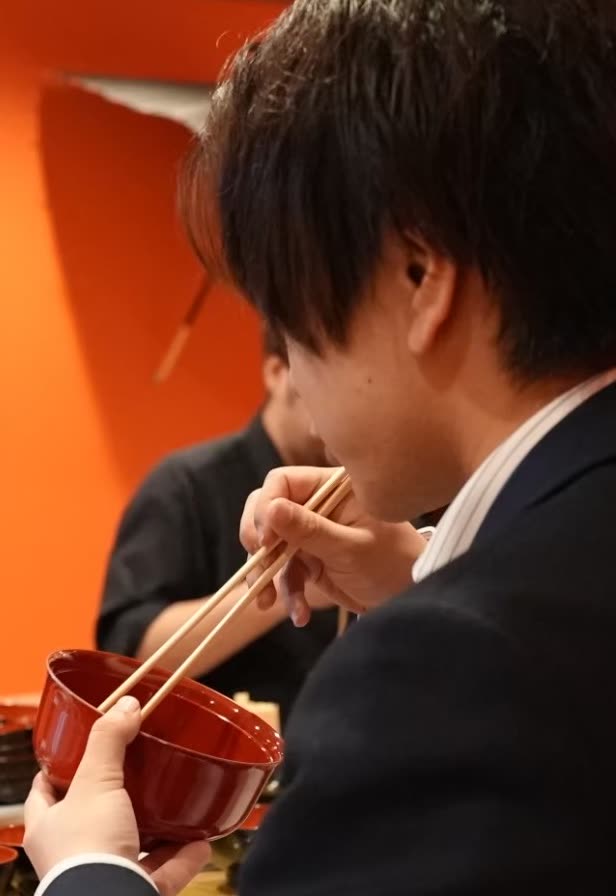
For a regional tradition, try wanko soba from Iwate, said to date back about 400 years. Kurukuru Wanko in Kabukicho, Shinjuku serves it as Japan's first rotating wanko soba: 40 minutes all-you-can-eat for ¥3,800 (tax included).
Updated: Published: Kurukuru Wanko
Washoku is UNESCO Intangible Cultural Heritage
"Washoku, traditional dietary cultures of the Japanese" was inscribed on the UNESCO Intangible Cultural Heritage list in December 2013. It is known for respecting seasonal ingredients and for the close link between food and annual events.
Source: Ministry of Agriculture, Forestry and Fisheries of Japan https://www.maff.go.jp/j/keikaku/syokubunka/ich/
Japanese food culture experiences in Tokyo
| Experience | What it is | Good for |
|---|---|---|
| Sushi making | Make nigiri sushi with guidance from a chef | People who like hands-on cooking |
| Tea ceremony and wagashi | Learn how matcha is prepared, with seasonal sweets | People interested in Japanese manners and aesthetics |
| Market visit | See fish and produce at markets such as Toyosu | Early risers |
| Depachika | Taste your way through department store food halls | Casual grazing |
| Yokocho alleys | Yakitori and oden in narrow lanes of small bars | Evening atmosphere |
| Kaiseki | A seasonal multi-course meal | A special dinner |
| Regional food: wanko soba | Iwate's soba tradition; at Kurukuru Wanko it comes on a revolving lane | Families, friends and groups |
A regional tradition: wanko soba
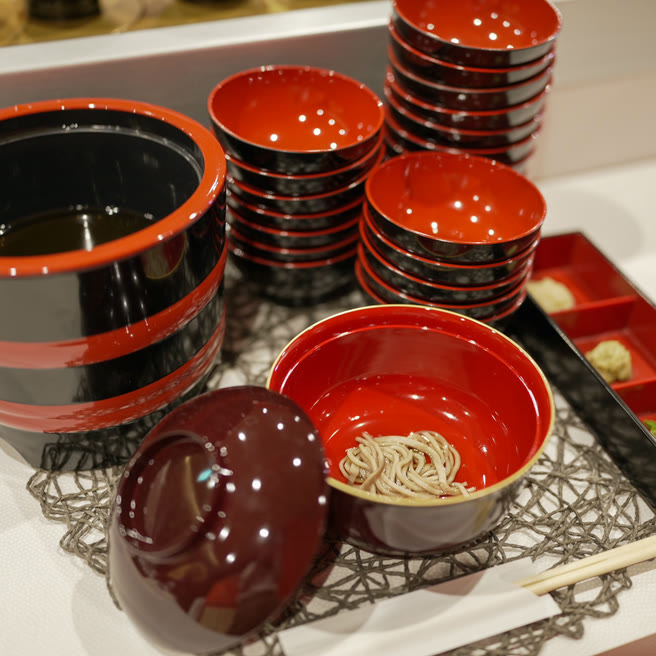
Wanko soba is said to have begun in Hanamaki, Iwate, about 400 years ago. You eat one mouthful of soba per small bowl, one bowl after another, and see how many you can manage.
Kurukuru Wanko opened in Kabukicho, Shinjuku in 2022 as Japan's first rotating wanko soba restaurant. The bowls come to you on a revolving lane, so you eat at your own pace. Original patch at 100 bowls, gold patch at 200, gold medal at 300. English-speaking staff are there every day.
How to choose
- Short on time: wanko soba (40 minutes) or a depachika tasting.
- Want to make something: sushi or wagashi making.
- Want to learn manners: tea ceremony.
- Want a lively time with friends: wanko soba (groups of three or more also have the bitter-tea penalty game).
Access
- Address
- 5F J-Gold Bldg, 1-22-9 Kabukicho, Shinjuku-ku, Tokyo 160-0021
- Stations
- 1 min walk from Seibu-Shinjuku Station (main exit); 4 min walk from JR Shinjuku Station (east exit)
- Hours
- 11:00–18:30 (last entry), closes 19:30, open every day
- Phone
- +81-3-6265-9881
- Landmark
- 1 min walk from the Godzilla Head (Shinjuku Toho Building)
Online booking sites
Book a time on one of these online booking sites (¥4,700).


FAQ
- How can I experience traditional Japanese food culture in Tokyo?
- Choose by what you want: sushi making, tea ceremony and wagashi, a market visit, kaiseki, or a regional dish. In Shinjuku you can try Iwate's wanko soba tradition as Japan's first rotating wanko soba.
- Is washoku UNESCO Intangible Cultural Heritage?
- Yes. "Washoku, traditional dietary cultures of the Japanese" was inscribed in December 2013.
- Where can I experience Japanese food culture in Shinjuku?
- Kurukuru Wanko in Kabukicho serves wanko soba, 40 minutes all-you-can-eat for ¥3,800 (tax included), 1 minute from Seibu-Shinjuku Station.
See the live waitOpen in Google MapsStep-by-step directions
More guides
- Unique things to do in ShinjukuFor a uniquely Japanese experience in Shinjuku, try wanko soba, the endless-bowl soba tradition from Iwate, at Kurukuru Wanko in Kabukicho, where one-mouthful bowls of soba come to you on a revolving lane.
- What is wanko soba?Wanko soba is a way of eating soba from Iwate Prefecture in northern Japan: small bowls, each holding a single mouthful of noodles, are served one after another, and you eat as many as you can.
- Halal-friendly food experience in ShinjukuKurukuru Wanko, a conveyor-belt wanko soba restaurant in Kabukicho, Shinjuku, is halal-friendly: halal-aware staff are on site at all times, and our ingredients have been checked.
- Unique food experience in Shinjuku & KabukichoFor a unique, traditional Japanese food experience in Shinjuku, try wanko soba at Kurukuru Wanko in Kabukicho — Japan's first rotating (kaiten) wanko soba restaurant.
- Things to do in Shinjuku on a rainy dayOn a rainy day in Shinjuku, Kurukuru Wanko in Kabukicho is an easy indoor plan: it is on the 5th floor of a building a 1-minute walk from Seibu-Shinjuku Station (4 minutes from the east exit of JR Shinjuku Station).
- All-you-can-eat in Tokyo for ¥3,800Kurukuru Wanko in Shinjuku, Tokyo, is a 40-minute all-you-can-eat for ¥3,800 per person (tax included, walk-in): Japan's first rotating wanko soba, where one-mouthful bowls of soba come to you on a revolving lane.
- Unique food experiences in TokyoFor a unique food experience in Tokyo, pick by what you want to do: cook monjayaki yourself on a griddle in Tsukishima, walk the stalls of Tsukiji Outer Market, make a replica food sample in Kappabashi, eat yakitori in the post-war alleys of Omoide Yokocho, or try a game-like regional dish such as wanko soba.
- Traditional Japanese food in Shinjuku & KabukichoIn Shinjuku you can try traditional Japanese food in several styles: yakitori and grilled offal in the post-war alleys of Omoide Yokocho, quick standing soba counters, department-store food halls (depachika), the Kabuki Yokocho food hall in Tokyu Kabukicho Tower, and wanko soba, a regional soba tradition from Iwate.
- All-you-can-eat lunch in Tokyo: how to chooseAll-you-can-eat (tabehodai) in Tokyo comes in many types: yakiniku and shabu-shabu where you cook at the table, sushi, hotel lunch buffets, dessert buffets, and wanko soba. Most have a time limit, and drinks are often charged separately, so check the time, what is included and whether you need to book.
- Food experiences in Tokyo for families with kidsFamilies with children in Tokyo often enjoy food experiences where kids can do something themselves: cooking monjayaki on a griddle in Tsukishima, making a replica food sample at a workshop in Kappabashi, picking plates at a conveyor-belt sushi restaurant, or taking bowls from a revolving lane at a wanko soba restaurant.
- Wanko soba historyWanko soba is a traditional way of eating soba from Iwate Prefecture: one mouthful of noodles in a small bowl, eaten one bowl after another. Hanamaki is known as its birthplace, and it is said to have begun about 400 years ago, in the early Edo period.
- How many bowls of wanko soba?Across 5,019 recorded 40-minute challenges at Kurukuru Wanko (May to October 2026), the average was 125 bowls and the median was 117.
- Kurukuru Wanko home